







News

Trybe offers exclusive insight into how spa guests spent in 2025

The bookings platform shares data with European Spa on booking behaviours, volumes and lead times

Global

By Wendy Golledge

01 April 2026

try.be
Advertisement

Analysing booking data and trends can help operators drive differentiation and plan for the future, as well as understand shifts and opportunities within the sector.

European Spa has exclusively partnered with Trybe, which offers a platform for managing spa, leisure and activity bookings, to get the latest insights into how spa guests are spending.

The data is based on a sample of 345 spas globally, taken from January 1 to December 31, 2025.

How spa guests spent in 2025

  • 51 per cent of bookings took place outside traditional office hours
  • 76 per cent of out-of-hours bookings were made on a smartphone or tablet

“These booking behaviours reflect a clear shift towards convenience-led decision making,” said Ricky Daniels, co-founder of Trybe. “Guests are no longer booking during business hours; inspiration strikes in the evening or during their commute and guests expect a booking journey that matches that flexibility.

“For operators, this reinforces the importance of having a mobile-first, always-on booking experience. If availability, pricing or checkout isn’t seamless at the moment intent appears, revenue can be lost. Digital accessibility is fundamental to capturing demand.”

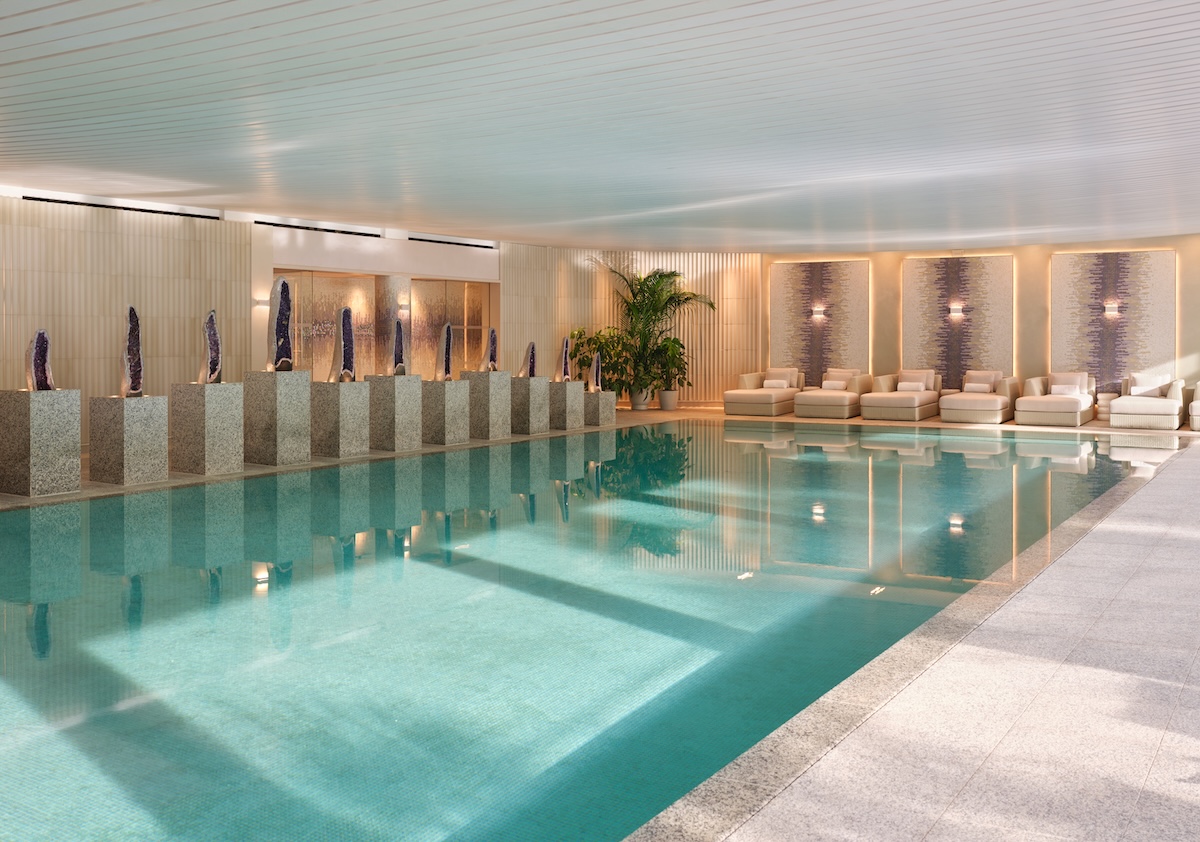
A swimming pool in a spa with loungers at the side
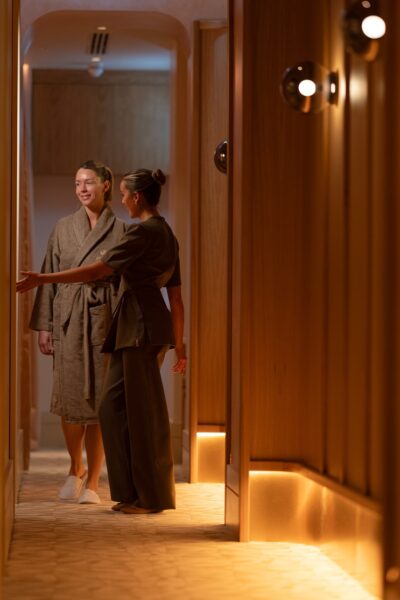
Trybe works with the newly-refurbished Coworth Park Spa, part of Dorchester Collection

Does booking volume equal booking value?

  • Monday was the most popular day to book, but delivered the lowest average spend
  • Saturday saw lower booking volume, but the highest average spend
  • Booking volume doesn’t tell the full revenue story; guest mindset varies significantly depending on when they book.

Early-week bookings are typically more functional; guests are planning ahead and opting for safer, lower-priced choices.

By contrast, weekend bookings are driven by indulgence and emotional spend; guests are more relaxed, less price-sensitive and open to premium experiences.

“This creates a clear opportunity for operators to align their product mix, pricing strategy and marketing communications with booking behaviour, not just booking frequency,” said Daniels.

Driving higher spend with packages

  • 92 per cent of Trybe bookings were packages
  • Average package value: £205
  • Average upsell value: £266


“For operators, packages aren’t just a product choice, they’re a proven revenue strategy. Packages consistently outperform individual treatments because they remove friction from the booking journey,” said Daniels.


“Well-structured packages simplify decision-making, communicate value instantly and naturally lend themselves to upselling. They allow guests to justify higher spend while feeling reassured they’re getting a complete, considered experience.”

Changing lead times

  • Average booking lead time in 2025: 28 days
  • Down from 32 days in 2024
  • Shorter lead times correlate with lower average spend
  • Highest spend occurs when lead times are between 5 and 12 weeks
  • July and August had the shortest booking window (12 days)

Shorter lead times point to increasingly spontaneous booking behaviour, particularly during the summer months. While this can create volume, it’s also where spend is lowest, making demand harder to forecast and revenue less predictable.

“Longer lead-time bookings tell a different story,” said Daniels. “These guests are more considered, more committed and ultimately more valuable.

“Understanding these patterns allows businesses to plan inventory, pricing and marketing more effectively, maximising yield, not just occupancy.”

Young man in blue jumper posing for picture with his arms crossed

“Discounts are most effective as a tactical tool for filling last-minute availability, not as a long-term revenue driver. While they help convert short-notice bookings, they tend to attract lower-spend guests. The opportunity for operators lies in reserving discounts for demand gaps, while protecting value and margin where intent is already strong.”

Ricky Daniels

Co-founder, Trybe

Who’s spending and what are they buying?

Whether a standalone treatment or included in a package, the most popular treatment was a massage, followed by a facial.

Averages costs below are from the top 100 most popular of each treatment type:

  • Massages: £99
  • Facials: £96
  • Manicure: £54
  • Pedicure: £55
  • Pregnancy treatment: £103

The demographic of spa-goers is changing. Traditionally, spas and hotels have focused on the 35+ market, but recent trends tell a different story.

“The highest spenders now are 25 to 34-year-olds,” said Daniels. “They see wellness as a new form of luxury and self-investment.

“This is driven by burnout, social media influence and a focus on health, sleep and mental wellbeing, often prioritising these over traditional indulgences like nightlife. Meanwhile, the 55+ market, the ‘traditional’ spa audience, is now the lowest spender.

“Another big shift is in the number of male spa-goers. Between 2024 and 2025, bookings by men increased 255 per cent. This mirrors a broader trend, with the global men’s wellness market set to double by 2030.”

Receive our newsletters directly to your inbox – sign up here

Be informed...

The home of global spa intelligence, European Spa Leaders’ Resource 2026 is packed with spa industry intelligence on the wellness topics that matter

europeanspamagazine.com/leaders-resource
Advertisement
Advertisement

Sign up to our digital edition

Sign Up Now

European Spa Magazine is published by Spa Publishing Ltd    |    Company registration number: 6293825

About    |    Contact Us    |    Privacy Policy    |    Terms & conditions    |    Disclaimer

© Copyright 2026 - Spa Publishing Limited. All rights reserved.