News

Four key spa design trends for 2026

Sparcstudio's Beverley Bayes outlines the spa design trends she predicts will take hold in the coming year
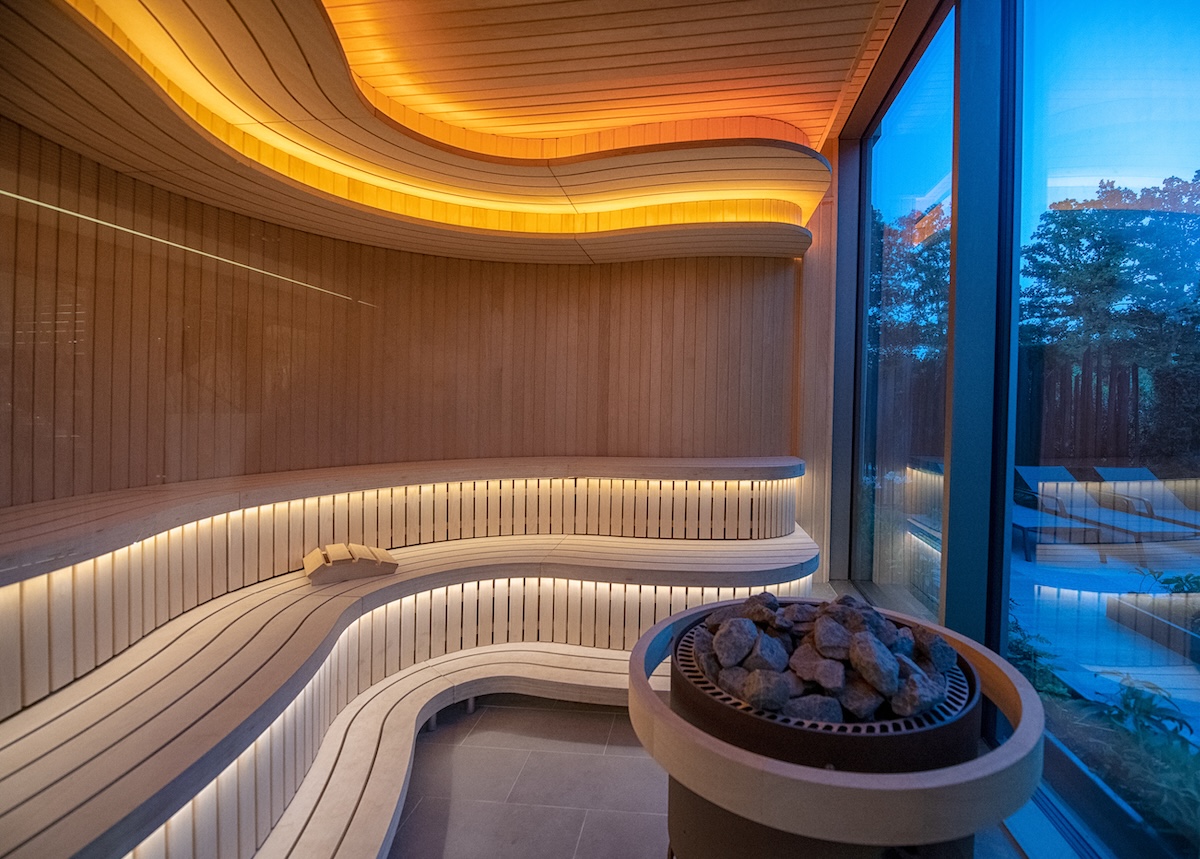
(Image: Sopwell House)

UK

By Wendy Golledge

27 January 2026

sparcstudio.co.uk/
Advertisement

Independent creative design studio Sparcstudio has released its predicted key spa design trends for 2026.

The brand has specialised in spa and wellness design for more than 15 years, working with brands including Center Parcs, South Lodge Spa, Champneys at Mottram Hall, Rockliffe Hall and Calcot Spa and Grain store.

Creative director Beverley Bayes reveals to European Spa the design trends she believes will impact the spa and wellness industry in 2026 and beyond.

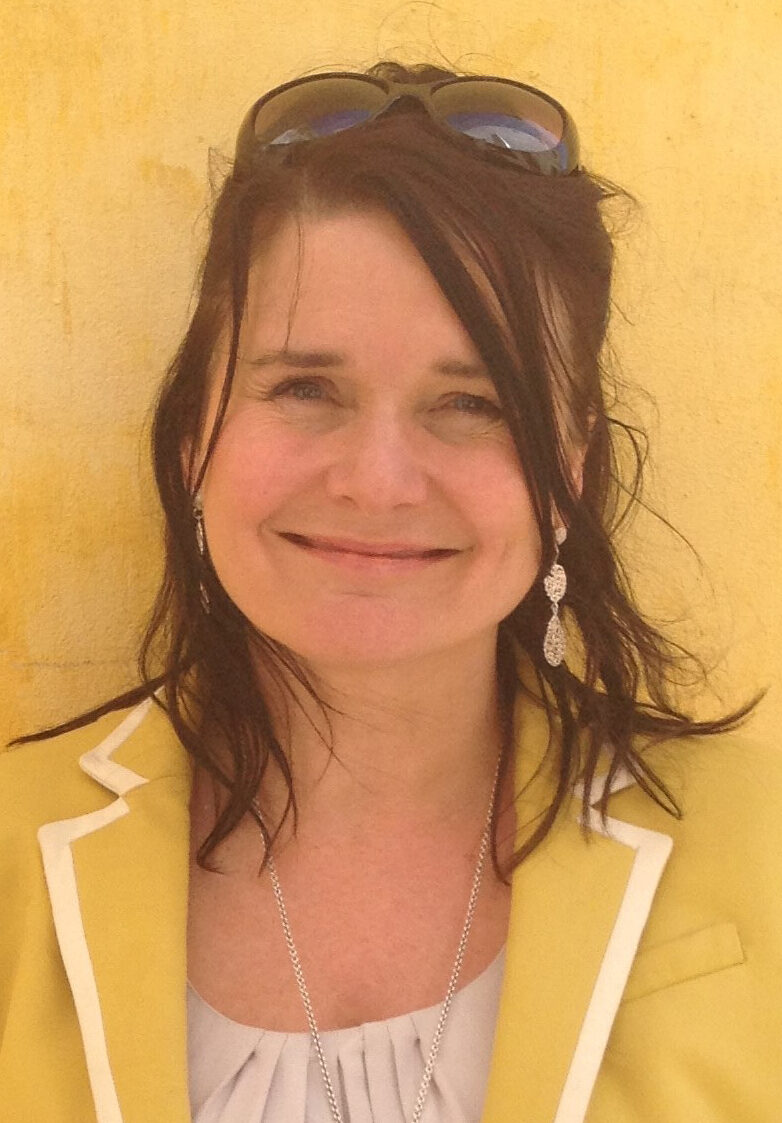
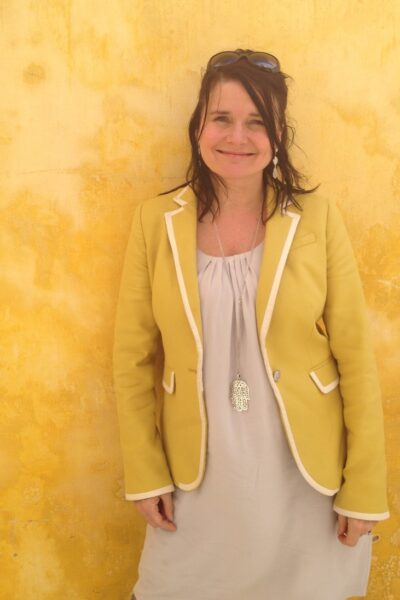
woman wearing yellow jacket and white top in front of a yellow wall

“The demand for wellness continues to grow with investors and operators keen to push the boundaries of what can be delivered in the space available. Enhancing facilities with considered, sustainable design is good business sense and, correctly done, can significantly improve revenue and return on investment.”

Beverley Bayes

Creative director, Sparcstudio

1. Acoustic wellness and silent architecture

Spas are increasingly considering sound-absorbing architecture as part of their overall design, to create calm spaces. Think soft organic forms, luxe furnishings, wall hangings and natural soundscapes such as running water.

This trend will be a growing consideration for properties as guests increasingly look for a quiet, cocooned experienced.

Effective acoustic design includes balancing overall sound levels, integrating soundproofing within treatment rooms and using insulation to minimise sound transmission between spaces.

“I am already seeing spas reducing mechanical noise and implementing acoustic zoning to support deep relaxation and mental clarity,” says Bayes.

“Architectural features including green roofs and living walls contribute to the reduction of sound intrusion. The use of anti-reverberation materials, such as felt and terracotta, helps absorb echoes and improve acoustic comfort.”

Acoustic solutions can also become distinctive design features. Undulating acoustic ceiling fins or sculpted wall panelling add visual character, while enhancing sound performance.
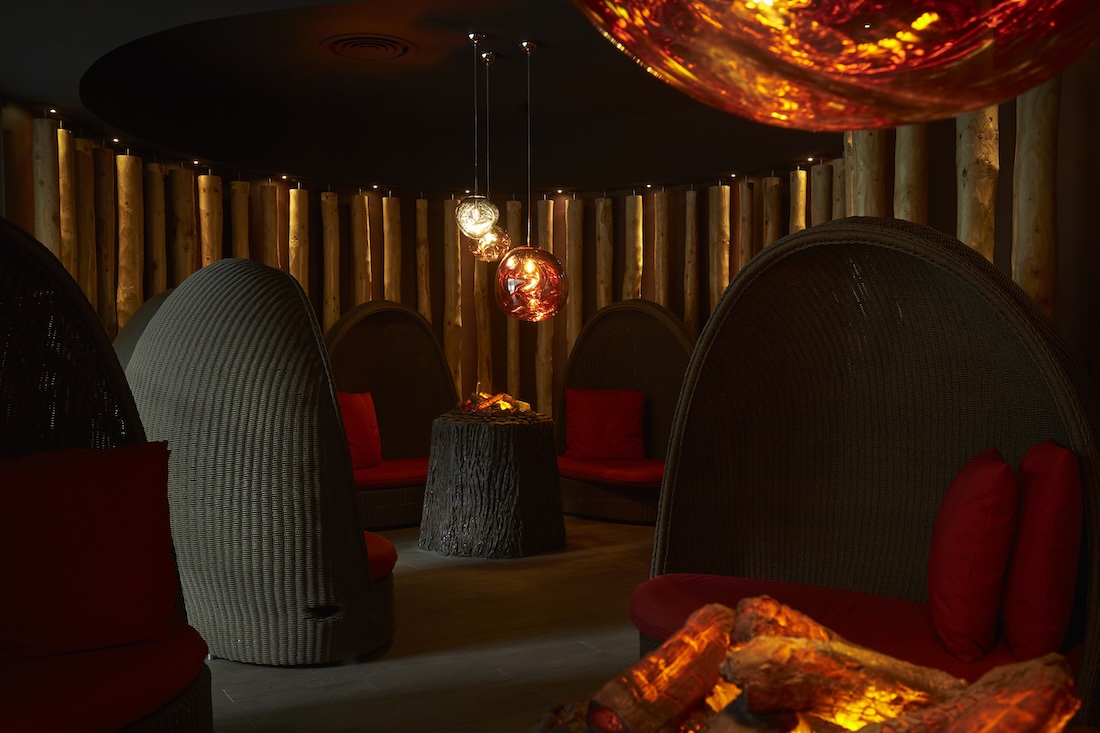
a dark cocooned relaxation zone in a spa
The fireside relaxation area at Center Parcs Longford Forest

2. Designing spaces for longevity programming

Investors are increasing looking at longevity as a pathway to business success and considering longevity concepts at the outset of a build.

“While lifespan and health programming aren’t right for every property, this is something we will begin to see more of in coming years and spa designers need to be aware of the shift,” says Bayes.

What this means for design is that buildings will need to be able to house diagnostic equipment and offer space for consultation rooms.

“This focus on medical shouldn’t negate the need for a softer, more biophilic approach to colour, spatial design and furnishings,” adds Bayes. “It actually becomes more important so that the space isn’t over medicalised.”

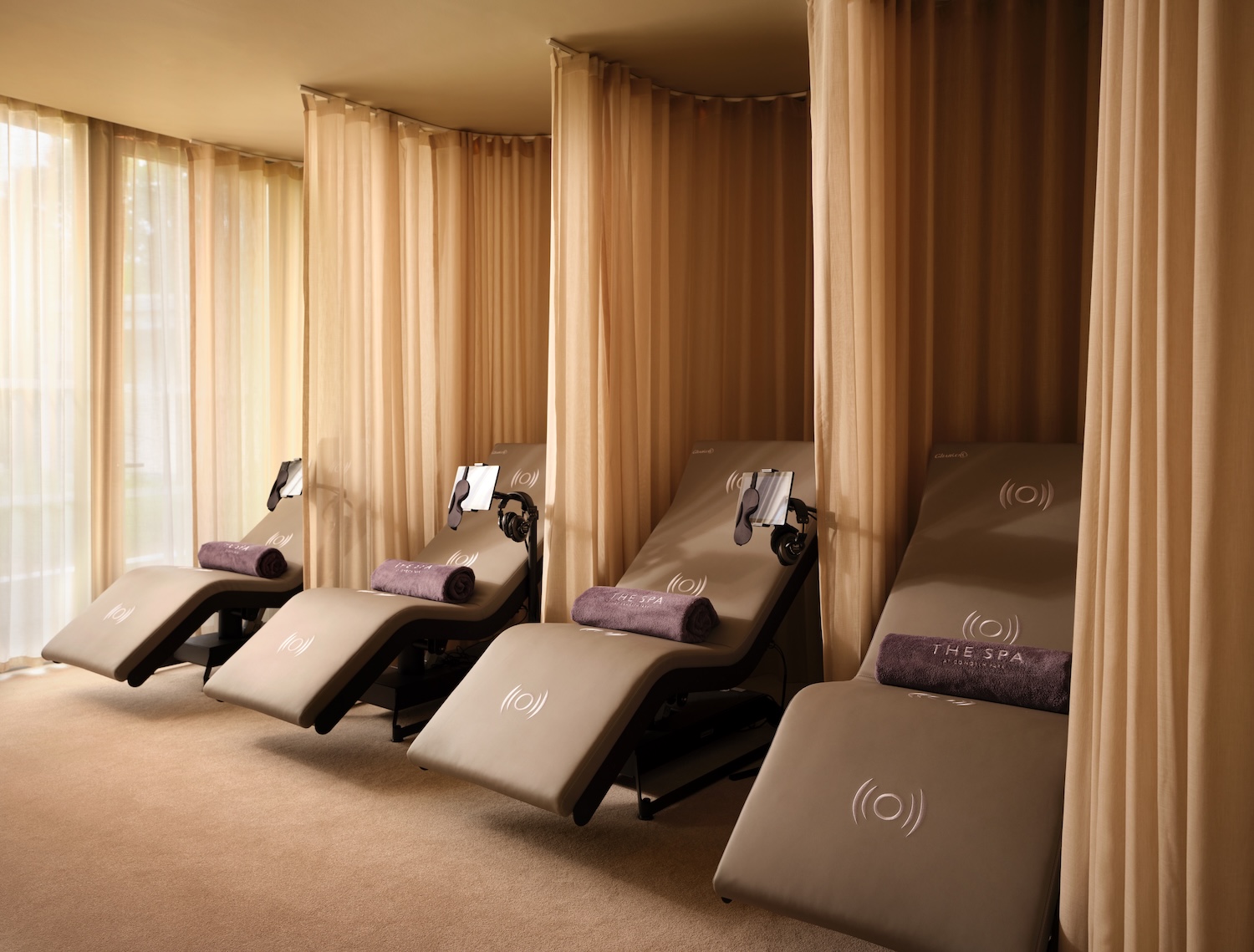
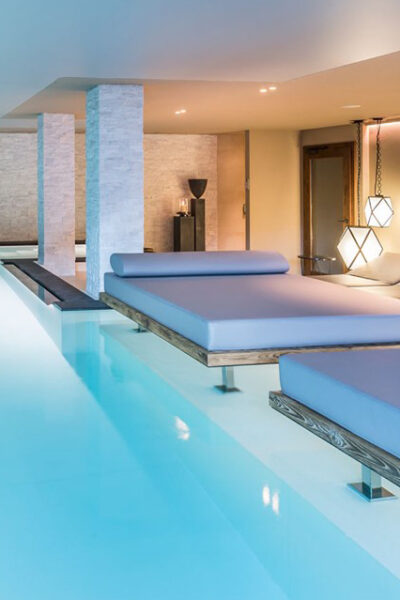
Relaxation lounge at Coworth Park_The Spa at Coworth Park
Relaxation loungers at the Spa at Coworth Park

3. The growth of recovery programming

Recovery techniques and programmes are becoming a key focus, reflecting the huge demand from guests and members who recognise the benefits.

New membership clubs based around recovery are opening globally, providing therapies beyond saunas and ice baths. Within fitness clubs and spas there is also a rise in the demand for private premium recovery suites.

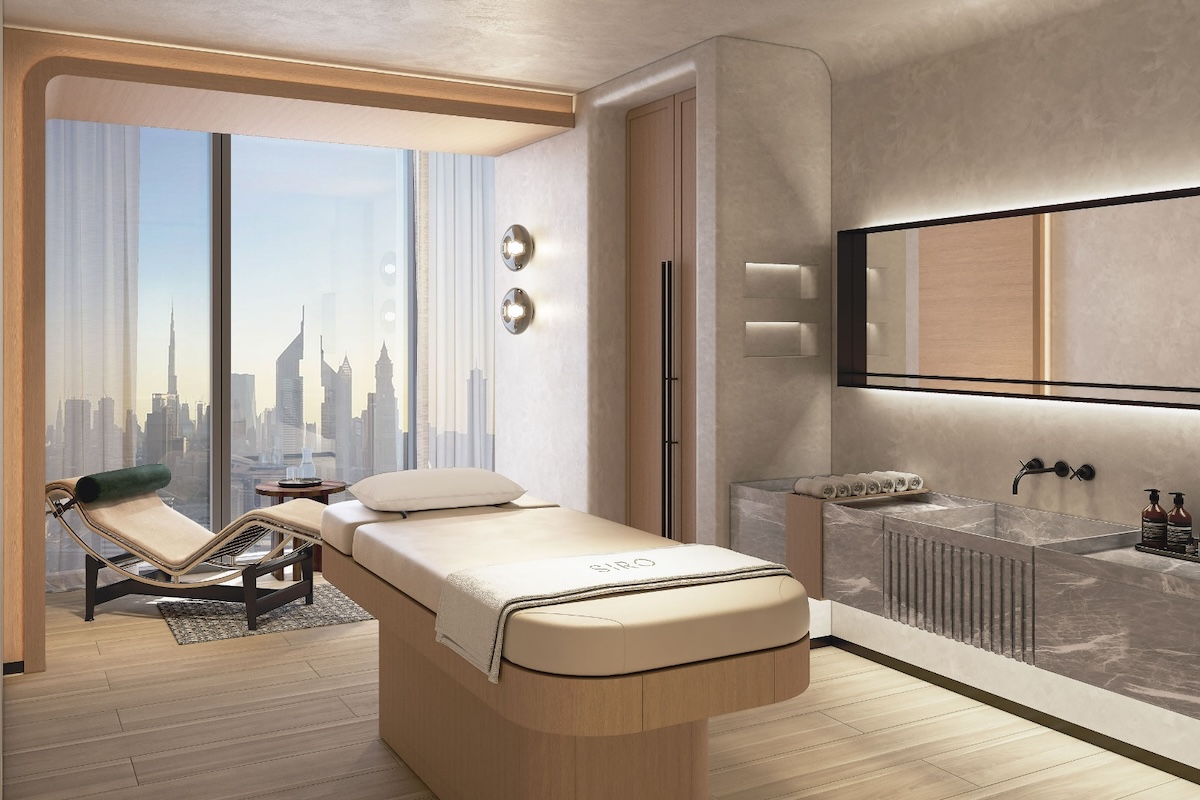
“It’s a key component of new hotel chains like SIRO, which has recovery equipment and immersive sleep experiences in hotel rooms,” says Bayes.

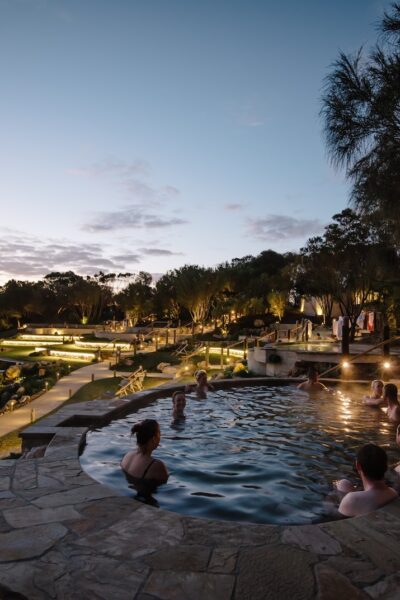
“Innovative bespoke design and attention to detail can attract a premium rate for these facilities. Recovery facilities can be created internally or externally, as demonstrated by the huge rise in the popularity of sea and lakeside sauna pods.

“Good design and the creation of a unique offer that reflects the overall aesthetic of the facility is key to creating the feeling of wellbeing within a recovery suite,” Bayes adds.

The Recovery Suite at SIRO Boka Place
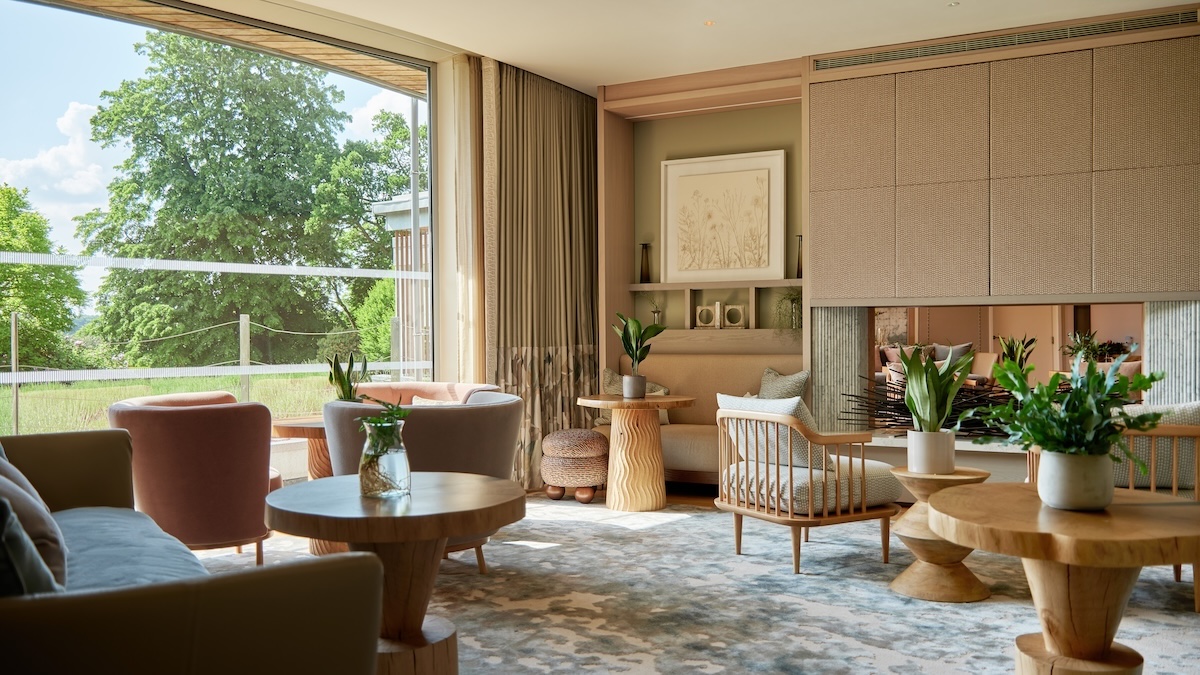
a comfy seating area in a spa
Coworth Park Spa social space
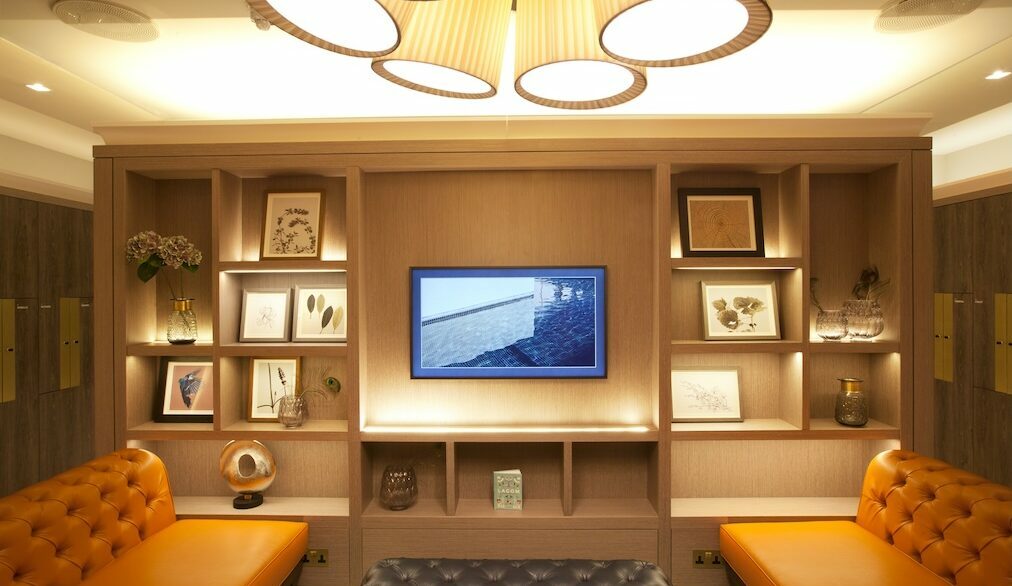
comfy seating in a spa changing room
Social spaces in South Lodge's changing rooms

4. Social wellbeing and the technology disconnect

The rise of communal sauna culture is a clear indicator of a growing desire for genuine social connection. Saunas offer a structured, health-focused way to gather outside of traditional social settings such as bars and restaurants.

This shift can also be seen across wider spa and wellbeing environments, and in the emergence of wellbeing members’ clubs.

These spaces respond to a collective need for connection, balance and shared experience.

“As designers, we consciously address this at the space-planning stage by incorporating areas that facilitate social wellbeing,” says Bayes.

“These might take the form of a mini lounge within a fitness space, an anteroom for gathering before or after studio classes, or flexible spaces within spa lounges or cafés designed to relax, recharge and learn.

“A good example is the Grainstore at Calcot, where members and guests can come together to attend local artisan workshops, wellbeing talks andgroup craft sessions.”

Receive our newsletters directly to your inbox – sign up here

Be inspired...

Read about the latest new spa openings across Europe in the winter issue, using the link below

europeanspamagazine.com/latest-issue
Advertisement
Advertisement

Sign up to our digital edition

Sign Up Now

European Spa Magazine is published by Spa Publishing Ltd    |    Company registration number: 6293825

About    |    Contact Us    |    Privacy Policy    |    Terms & conditions    |    Disclaimer

© Copyright 2026 - Spa Publishing Limited. All rights reserved.