








News

First look at McKinsey’s Future of Wellness Report

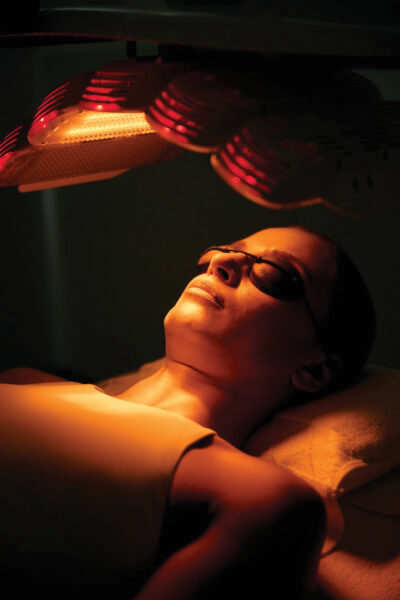
The fifth annual Future of Wellness report launches in October. European Spa previews the findings (Image: The Longevity Spa)

Advertisement

McKinsey’s Future of Wellness report 2026 reveals the boundaries between health and wellness are blurring, as they become more embedded in consumers’ everyday choices.

The report, launching in full in October, found that 84 per cent of consumers now rank wellness as their top priority and over half prioritise their wellness more than they did a year ago.

McKinsey partner Eric Falardeau and consumer insight expert Alex Sanford summarised a preview of the latest Future of Wellness research in a webinar facilitated by Jean-Guy de Gabriac, founder of World Wellness Weekend.

The report is based on McKinsey’s learnings about what resonates with consumers across the wellness sector and how their understanding is changing over time.
Smiling brown haired man with beard in blue suit and white shirt

“Wellness has shifted from simply being a good habit to a core identity, featuring in how people eat, sleep, move, recover and maintain their appearance. These choices make consumers more deliberate about what they put into and on their bodies, what treatments they choose and how much they’re willing to pay.”

Eric Falardeau

Partner at McKinsey & Company

Key drivers shaping consumer wellness choices

Eric Falardeau outlined consumers’ primary behavioural drivers. “The consumer is king and queen in this industry, they drive change, so we really keep a close eye on them,” he said.

“Consumers are curious and actively self-educating about wellness, so demand is rising for solutions that feel personally relevant. They’re asking ‘what are the things I should include in an optimal routine for me?’

“Wearables, tracking apps and readily available testing have allowed consumers to see how their body responds. As a result, they’re moving away from one-size-fits-all wellness and expecting products and treatments that work specifically for them.”

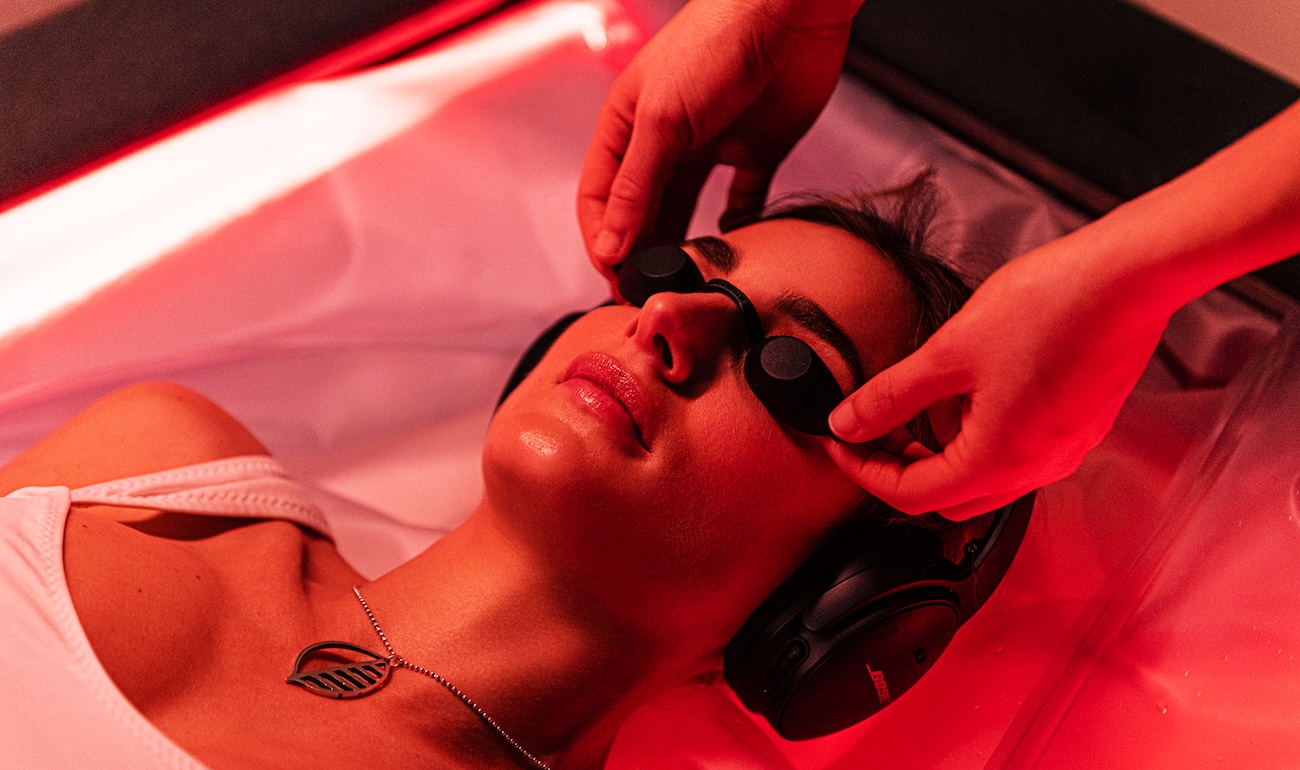
Women under red light therapy wearing black goggles
Demand for red light therapy is growing (Image: The Longevity Spa at Portrait Milano, Italy)

Health defined holistically

The Future of Wellness Report reveals that consumers now define health holistically, across six dimensions – sleep, appearance, health, mindfulness, fitness and nutrition.

“Rather than pursuing one isolated outcome, consumers are looking to improve how they feel, perform, function and age across many of these dimensions at once,” said Falardeau.

“Recovery and structured, healthy routines remain a prominent focus for consumers’ wellness behaviours.”

Headshot of smiling woman with dark straight hair

“We're seeing consumers approach their health and wellness through a multi-dimensional lens. When we asked how does wellness compare to other priorities in people’s lives, it’s actually at the very top, alongside their family relationships, more and more, it’s becoming part of people’s identities."

Alex Sanford

Consumer insight expert, leading the Future of Wellness Report 2026

The growing importance of wellness

Of the people surveyed, more than three quarters (84 per cent)  say wellness is either a top priority or important in their day-to-day life.

However, a much smaller percentage (13 per cent) report actually achieving their wellness goals. There remains a persistent gap between priority and goal achievement, which is worse among lower-income and non-urban groups.

“This begs the question, how can you deliver a product and a service that’s simple and easy to understand, that people can make into a habit they can follow consistently?” said Sanford.

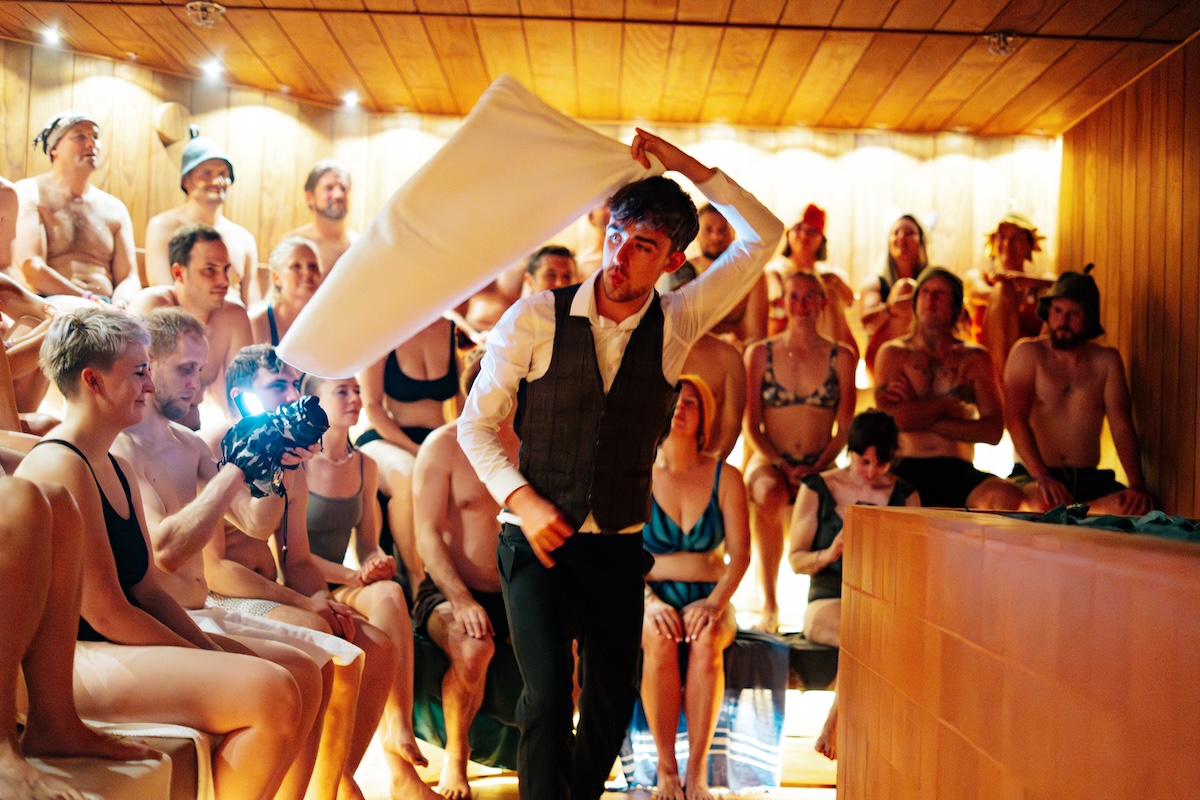
People are increasingly looking for communal, in-person experiences such as aufguss. (Image: Zak Moore at the Aufguss WM finals 2025)

Seven pockets of growth

The report delves into consumer trends to highlight areas where demand is accelerating.

1. Longevity

Interest in longevity and preventive practices continues to rise, as consumer demand shifts away from pampering services towards more diagnostic led and personalised wellness plans.

The public is adopting longevity language, previously confined to spas, using it to describe how they’re optimising everyday living and staying healthy as they age. They’re experimenting with red light therapy, cold plunges, hydrotherapy and lymphatic drainage.

2. Functional nutrition

Consumers are looking to get specific health benefits from the food they eat. Functional nutrition is becoming part of the spa journey as guests increasingly seek out collagen, adaptogens and gut-health beverages as well as nutritional coaching.

3. GLP-1 therapies

The rise in demand for GLP-1 injections is leading to a similar spike in demand for products and services addressing the common side effects, such as muscle loss and loose skin.

With GLP-1 medications “changing the entire ecosystem,” according to Sanford, products and services in this area – such as body contouring – are set to benefit.

Picture of a woman in exercise clothes sitting down and looking at her watch as the sun sets behind her
More consumers are both wearing, and actively using, biomonitoring devices to improve their wellness (Image: The Global Wellness Institute)

4. Looking good

Appearance remains a powerful consumer priority, with more demand for non-invasive, appearance-focused tools, especially among younger consumers.

Gen Z especially are shifting their spending toward beauty devices rather than traditional skincare products. They are also more likely to have cosmetic procedures, such as injectables.

5. Mindfulness

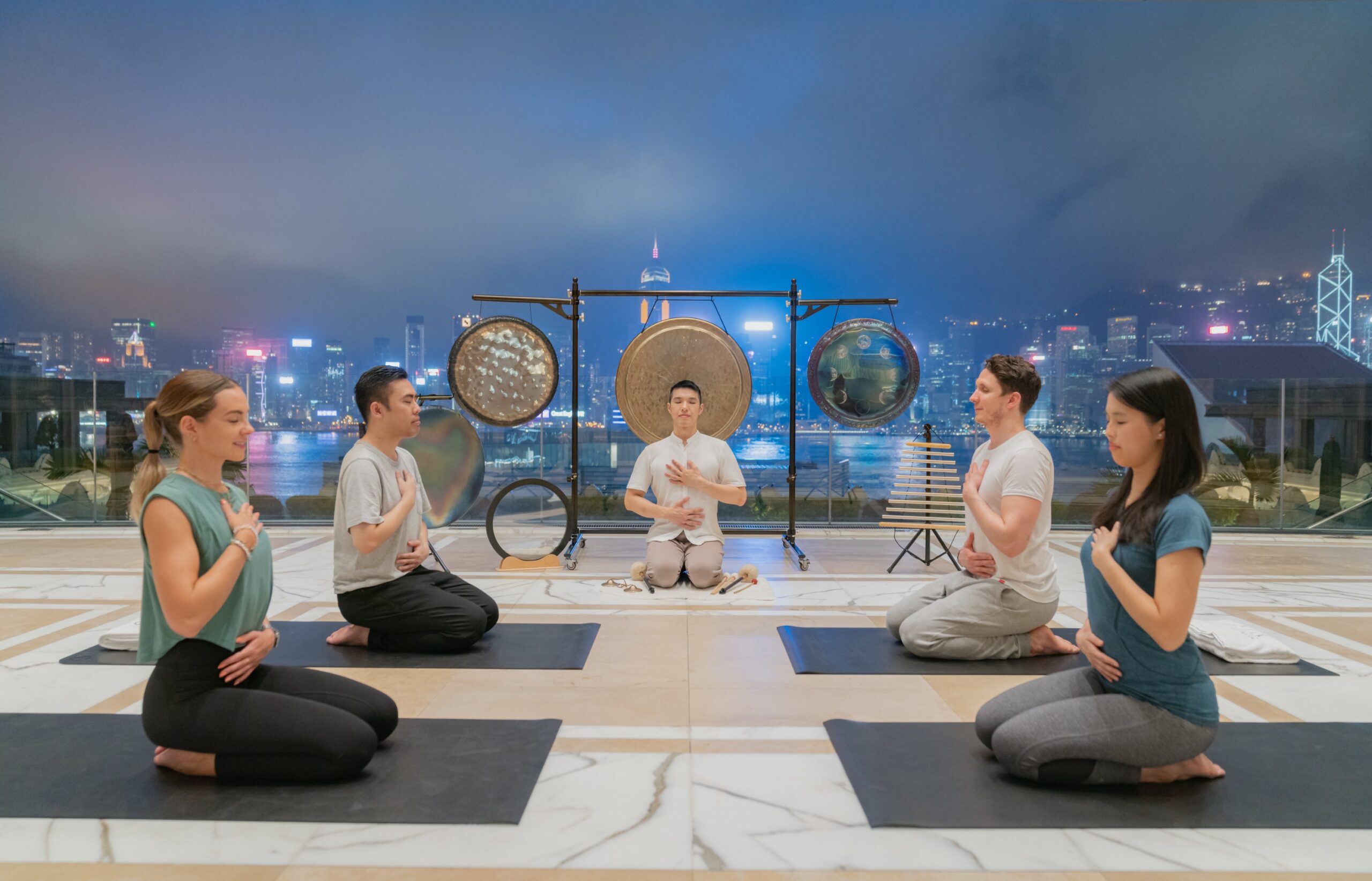
Stress recovery is becoming a core driver of spa visits as consumers place greater emphasis on their sleep and mental wellness. Millennials in particular are looking for more community-based self-care to help manage their stress, such as sound baths and thermal bathing experiences.

6. Wearables

The biomonitoring boom shows no sign of slowing down. Wearables are influencing behaviours changes, presenting spas with the opportunity to deliver more tailored protocols with measurable outcomes.

“The rise of wearables has been extraordinary,” says Sanford. “More and more people are not just wearing them, but actually using them.”

7. Social wellness

People want community and social connection in a relaxing environment. This shift towards in-person, social and communal experiences means repeatable wellness routines, such as thermal circuits, saunas and cold plunges, are becoming a strong driver of spa visits.

A gong bath at The Peninsula Hong Kong

Consumer segmentation

The report presents five consumer segments, each of which prioritises wellness differently.

“We like to run a consumer segmentation as we’ve found you can get a lot of interesting insights from,” said Sanford. “It’s also really impactful to look at the wellness data through the lens of what different demographic groups need and what they’re prioritising.

“This can help determine how operators approach consumers. For example, there was a big difference in how each segment is prioritising longevity, and also what it really means to them.”

The five consumer segments

Maximalist optimisers tend to be younger  and keen to try the latest new products and services. They’re digital savvy, into wearables and keen to experiment – 79 per cent say wellness is their top priority.


Confident enthusiasts are slightly older, but also place very high priority on wellness (88 per cent). Fitness is their top priority but they’re open to other targeted solutions and like to conduct their own research.


Health strugglers are busy, stressed consumers that are struggling to figure out where to start with wellness and what to focus on. Only 13 per cent say its a top priority for them.


Health traditionalists are older consumers who manage their health using more more traditional methods like taking daily vitamins and staying active in a simple way. They consider healthy eating a key goal, but also prioritise wellness (72 per cent).


Wellness shirkers don’t prioritise their wellness, preferring to just live their life without a focus on being as healthy.

The rise of cognitive wellness

Sanford notes how focused all segments were on cognitive function, but that the respondents felt there weren’t many products to help them improve and maintain their brain health.

“Just how focused people were on cognitive function was big surprise for me,” says Sanford. “The lack of knowledge about products and services out there today to help with that represents a clear opportunity for innovation and service delivery for spa and wellness companies.”

The research surveyed more than 9,000 consumers across the UK, China, Germany and the US. To replay the full webinar, click here.

Receive our newsletters directly to your inbox – sign up here

Be informed...

Read the latest in spa research in the European Spa Leaders’ Resource, using the link below

europeanspamagazine.com/leaders-resource
Advertisement
Advertisement

Sign up to our digital edition

Sign Up Now

European Spa Magazine is published by Spa Publishing Ltd    |    Company registration number: 6293825

About    |    Contact Us    |    Privacy Policy    |    Terms & conditions    |    Disclaimer

© Copyright 2026 - Spa Publishing Limited. All rights reserved.